
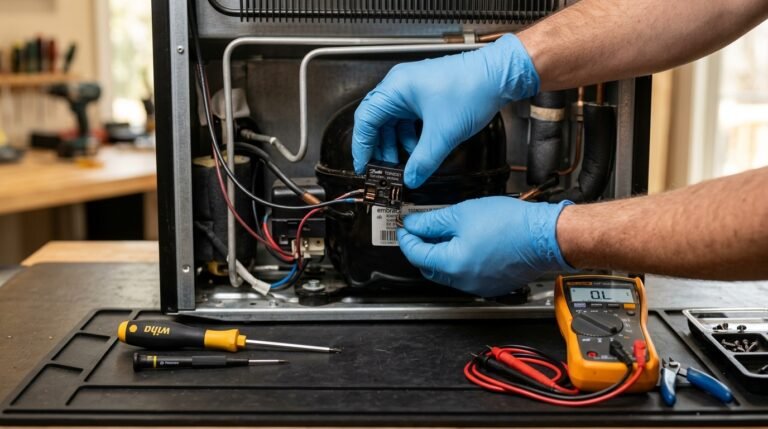
Appliance Repair vs Replacement Cost Guide
Decide whether to repair or replace your home appliances in the GTA using the 50%...
Read More →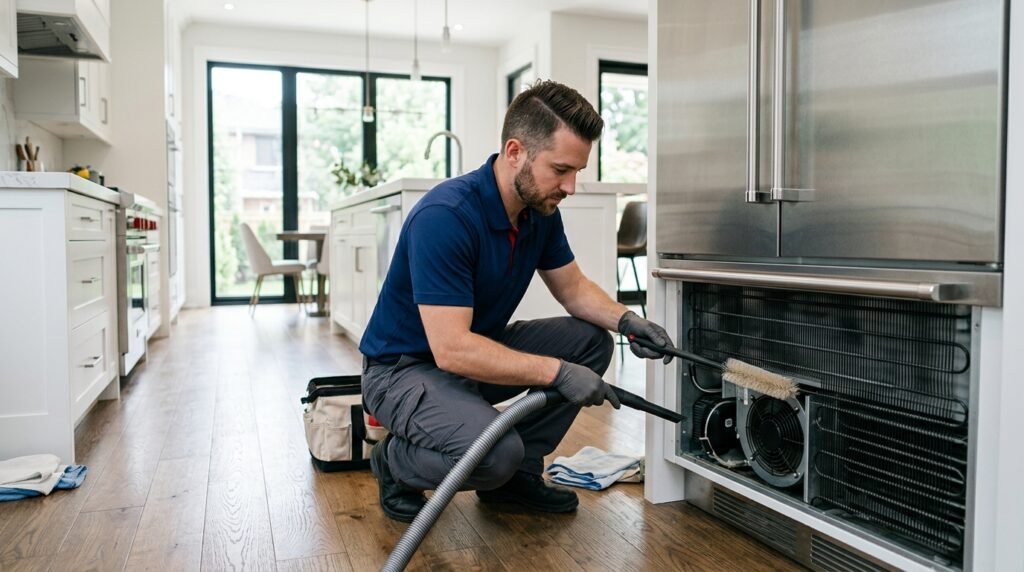
If you want to extend your home appliances’ lifespan and avoid premature replacements, the key lies in regular coil cleaning, mineral descaling, and preventing mechanical overload. In many cases, you can add 5 to 7 years of reliable operation to your refrigerator, washer, dryer, and dishwasher by performing a few simple maintenance checks before calling for professional help.
Modern household appliances are engineered to deliver a decade or more of dependable service, but hard water scale, lint blockages, and excessive vibration frequently lead to early mechanical failure. With over 15 years of hands-on experience in the appliance repair industry across Toronto and the Greater Toronto Area, our technicians have identified the essential maintenance routines that homeowners can safely perform to protect their equipment.
When appliances break down prematurely, it is rarely due to manufacturing flaws alone. Routine care protects heavy-duty components from unnecessary friction and thermal stress. We recommend implementing these seven proven habits into your home maintenance schedule:
If your appliance begins making unusual noises, vibrating excessively, or showing error codes despite regular maintenance, internal components such as motor bearings, sensors, or electronic boards require certified technical inspection. At A-Repair, our licensed technicians carry 100% original OEM replacement parts in fully equipped mobile service vans across Toronto, Mississauga, Brampton, Vaughan, Markham, and Oakville. We deliver thorough diagnostic inspections with transparent pricing and long-lasting repair solutions backed by up to 6 months of comprehensive warranty on all parts and labor.
Refrigerator condenser coils should be vacuumed at least once every six months. If you have indoor pets or high household dust levels, inspecting and cleaning them every three to four months helps maintain optimal compressor cooling.
Yes. Overloading places excessive rotational torque on the drive motor, stretches belts, and wears out sealed drum bearings prematurely, often requiring a complete tub assembly replacement.
Hard water contains high levels of dissolved calcium and magnesium that precipitate onto internal heating elements, water valves, and impellers. Over time, this mineral scale restricts water flow, reduces heating efficiency, and causes premature component failure.
Decide whether to repair or replace your home appliances in the GTA using the 50%...
Read More →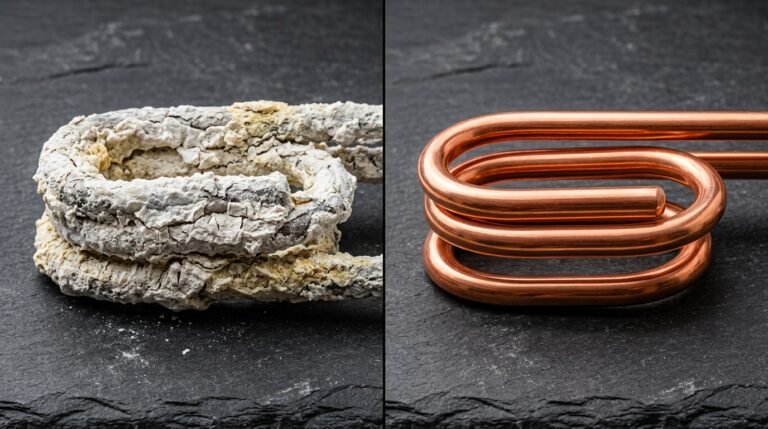
Discover how hard water damages GTA appliances, the warning signs of mineral scale, and how...
Read More →
Discover 7 diagnostic checks for home appliances spiking your electric bill and learn how professional...
Read More →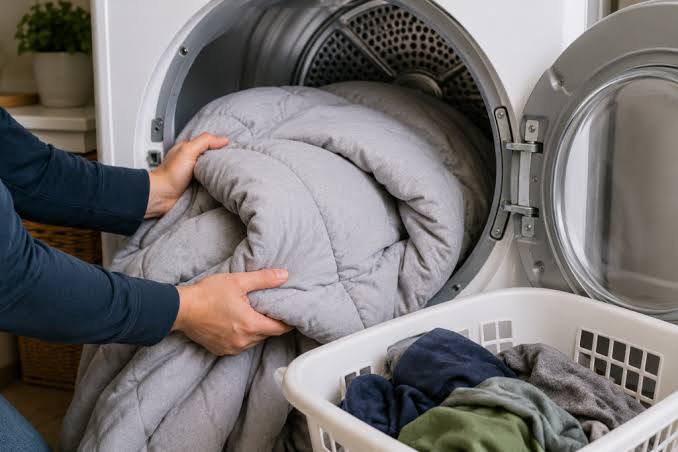
Why Your Dryer Won’t Dry Clothes: 8 Common Reasons When your dryer completes a full...
Read More →Contact us right now!