Why Your Dryer Won’t Dry Clothes: 8 Common Reasons
When your dryer completes a full cycle but your clothes remain damp, it is usually due to a lack of airflow, a heating element failure, or a faulty sensor. Most of these issues can be resolved quickly by ensuring proper ventilation or replacing worn-out components, restoring your appliance to peak efficiency.
Common Mechanical and Ventilation Issues
Understanding how your dryer functions is the first step toward troubleshooting. Many issues stem from simple maintenance neglect or minor technical faults that occur over time.
- Clogged Vent System: If the exhaust vent leading outside is blocked by lint buildup, hot, moist air cannot escape the dryer, preventing clothes from drying effectively.
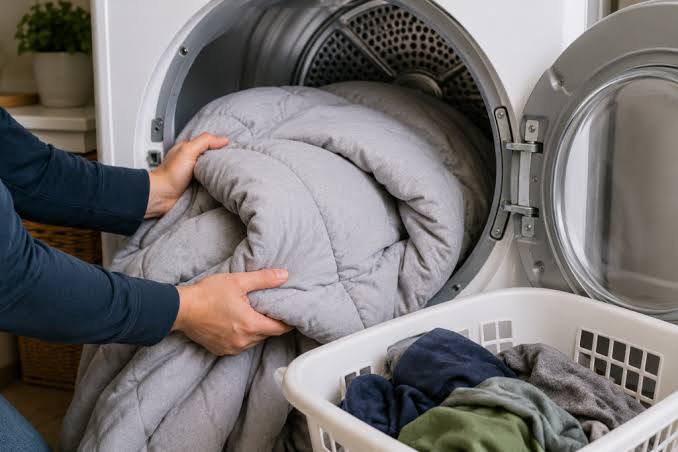
- Blocked Lint Filter: A dirty lint screen restricts essential airflow through the drum, which significantly increases drying time and places undue strain on the internal motor.
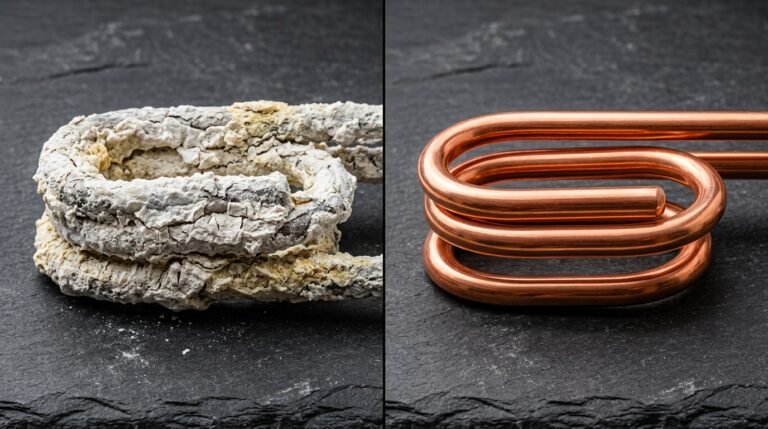
- Faulty Heating Element: If your dryer is running but produces no heat, the heating element has likely burnt out and requires a professional replacement.
- Malfunctioning Thermostat: The thermostat regulates internal temperatures; if it is miscalibrated or broken, the dryer may shut off prematurely before the clothes are actually dry.
- Worn-out Drum Belt: If the belt that rotates the drum is loose or snapped, the drum may not spin properly, preventing the clothes from tumbling through the heated air.
- Broken Moisture Sensor: Modern dryers use sensors to detect humidity levels; if these sensors are covered in residue or damaged, the machine will think the clothes are dry when they are still damp.
- Defective Blower Wheel: The blower wheel pushes air through the system; if it is obstructed or damaged, there will not be enough force to circulate the air needed for drying.
- Exhaust Vent Constraints: If the venting path is too long or has too many bends, airflow is severely restricted, causing moisture to linger inside the drum.
Professional Maintenance and Expertise
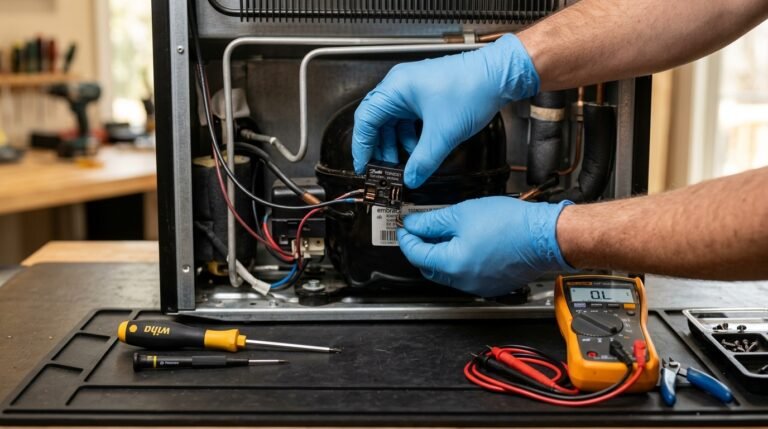
At A-Repair, we believe that regular maintenance is the cornerstone of appliance longevity. Beyond simple fixes, our team of certified specialists ensures that every component—from the control board to the shock absorbers—is functioning according to original factory specifications. By entrusting your laundry equipment to professional hands, you avoid the risks of DIY repairs, which can often lead to further damage or safety hazards.
Frequently Asked Questions
How can I tell if my dryer vent is clogged?
- If your clothes take multiple cycles to dry or the top of the dryer feels excessively hot to the touch, your vent is likely clogged. This obstruction forces the machine to work harder, leading to higher energy bills and potential fire risks.
Should I replace the heating element myself?
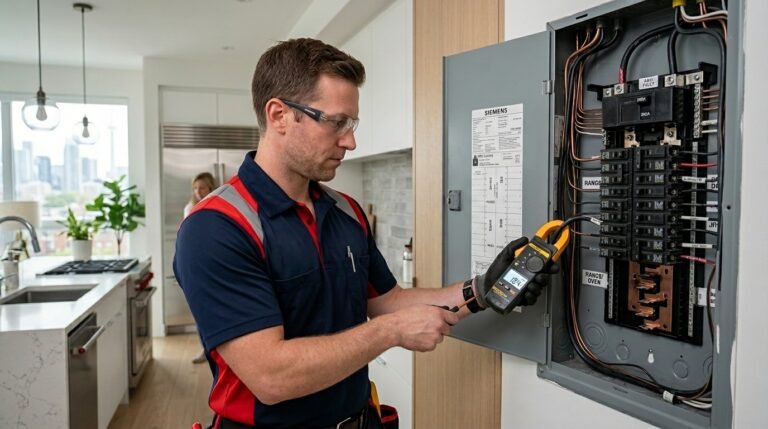
- Replacing a heating element involves handling electrical components, which can be dangerous if you lack proper training and tools. We highly recommend calling a certified technician to ensure the repair is safe, compliant with safety standards, and backed by a warranty.
How often should I clean my dryer vent?
- You should inspect and clean your dryer vent at least once every six to twelve months, depending on the frequency of your laundry usage. Regular professional cleaning prevents lint buildup, reduces drying times, and extends the overall lifespan of your dryer.