
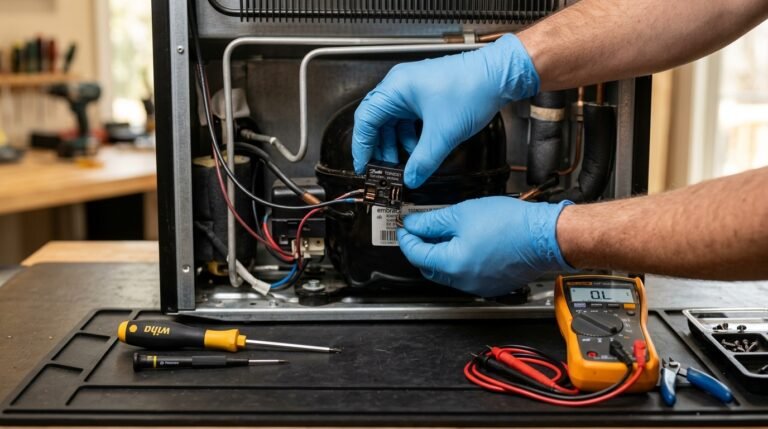
Appliance Repair vs Replacement Cost Guide
Decide whether to repair or replace your home appliances in the GTA using the 50%...
Read More →
If your home appliances are causing unexpected spikes in your electricity bills, the issue is typically driven by dirty condenser coils, degraded door gaskets, or uncalibrated heating elements. In many cases, you can identify the root cause of excessive power draw and protect your household equipment by performing a few practical diagnostic checks before calling for professional service.
A functioning appliance that draws excessive current indicates that while the system is receiving power, its internal assemblies are working under severe thermal or mechanical resistance. With over 15 years of hands-on experience in the appliance repair industry across Toronto and the Greater Toronto Area, our technicians have identified the most common mechanical culprits that homeowners can inspect safely.
When an appliance begins consuming abnormally high electricity, it is often due to silent component strain or airflow restrictions rather than an immediate motor burnout. Before booking a repair visit, we recommend checking these key operational areas:
If you have completed these checks and your appliances continue to run excessively hot or cycle non-stop, an internal electrical fault—such as a grounded element, worn start relay, or failing control board—is likely the cause. At A-Repair, our certified technicians carry 100% original OEM replacement parts in fully equipped mobile service vans across Toronto, Mississauga, Brampton, Vaughan, Markham, and Oakville. We provide comprehensive diagnostic assessments with honest upfront pricing and deliver long-lasting solutions backed by up to 6 months of warranty on all parts and labor.
A compressor that runs continuously is usually responding to dirty condenser coils, warm ambient room temperatures, or a degraded door gasket that lets cold air escape. If cleaning the coils does not resolve the issue, a certified technician should inspect the refrigerant pressures and defrost thermostat.
Yes. If a heating element suffers an internal ground fault, it can create a continuous micro-short to the appliance chassis, drawing electrical current even when the temperature knob is set to off until the breaker is tripped or the element is replaced.
We recommend inspecting condenser coils, door gaskets, and dryer exhaust vents at least once every six months. Professional diagnostic tune-ups every one to two years ensure internal sensors and motors operate according to factory energy standards.
Decide whether to repair or replace your home appliances in the GTA using the 50%...
Read More →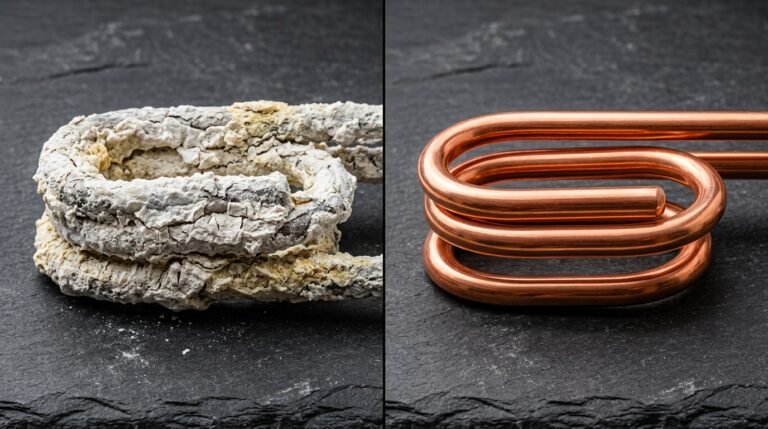
Discover how hard water damages GTA appliances, the warning signs of mineral scale, and how...
Read More →
Learn 7 essential maintenance practices to extend your home appliance lifespan by 5 to 7...
Read More →
Why Your Dryer Won’t Dry Clothes: 8 Common Reasons When your dryer completes a full...
Read More →Contact us right now!